What are the parts of the boat called? Essential dictionary of the sea
The sea has a vocabulary that can confuse those who are not experts in navigation. To learn the art of navigation it is essential to know well how a vessel is made and above all what the various components of the boat are called.
The sailors' vocabulary has evolved over the years. Some terms have very ancient origins, others were coined more recently as a natural consequence of technological innovations. Any skipper or shipowner should have a perfect knowledge of the so-called vocabulary of the sea.
For this reason we decided to create a small glossary to know what parts of the boat are called, where they are located and what the various components are used for.
Why is it important to know the names of the parts of the boat?
Knowing the nautical vocabulary well can help avoid misunderstandings and misinterpretations among the crew members. Therefore, knowing what the parts of the boat are called can prevent mistakes that can have dangerous consequences.
In addition to an thorough knowledge of nautical terminology, having a nautical dictionary on board is always a good thing, because it can help in case of forgetfulness or difficulties, even though today there are electronic tools with which to find any information in real time.
What are the parts of the boat called: a small glossary to keep on board
As we have seen, knowing the nautical vocabulary well is extremely important and useful. At this point, let's see specifically what the parts of the boat are called. Here is a practical and essential glossary, which you can keep on board and use in case of need:
- Watercraft: motor or sailing boat less than ten metres long
- Hull: the supporting structure of the boat, originally made of wood but today made of fiberglass or aluminum. It can have different shapes of hull.
- Bottom: part of the hull immersed in water
- Keel: it is the backbone of the boat, which extends along the entire hull and on which all the weight of the vessel rests
- Frame floor: transverse beam into which the keel is fitted
- Keelson: longitudinal beam that has the task of stabilizing the boat. It is located above the floor frames in correspondence with the keel.
- Bullock and Side: lateral parts of the vessel, internal and external respectively
- Stern: the rear part of the boat
- Bow: the front part of the vessel
- Starboard: looking at the bow, it is the right side of the boat. It replaced the now obsolete port side.
- Port: This is the left side of the boat, which was once called the starboard side.
- Deck: continuous horizontal structure that covers the entire hull.
- Main deck: everything above deck
- Below deck: what is under the bridge, i.e. the inside of the vessel
What are the other parts of the ship called?
In the previous paragraph we started to see what the parts of the ship are called and we grouped them in a glossary. But the components of a boat do not end there. Here are other parts that are essential to know:
- Cockpit: this is the open area of the boat, intended for maneuvers and passengers.
- Bilge: is the lower part of the hull, that is, the one intended to collect the liquids accumulated during navigation
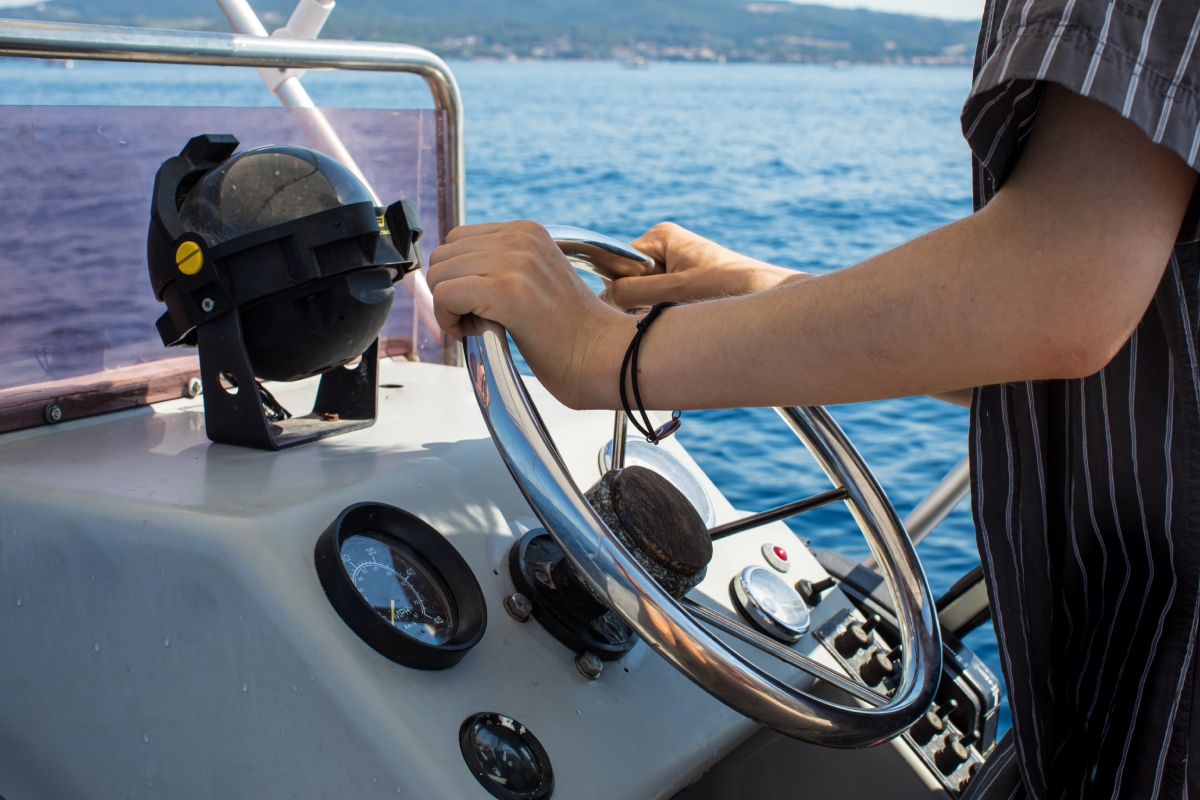
- Helm: is the instrument used to guide the boat making it take the desired direction. In larger boats it is operated with a steering wheel, in smaller ones it can be controlled through a lever located at the stern.
- Gangway: it is a mobile axis that serves to facilitate the boarding and disembarking of crew and passengers
What are the parts of the boat used for mooring called?
After having reviewed the components of each vessel, explaining what the parts of the boat are called, the time has come to see what is needed for mooring:
- Fenders. They are used to prevent damage to the boat in the event of impacts with the dock. Feed
- Anchor. As is known, it is a sort of weight of various shapes, which allows the boat to be held and remain still.
- Rops. These are the ropes used to tie the vessel to the bollard on the dock.
Nowadays there are additional tools to support the skipper, as they simplify certain operations. Have you ever thought about the possibility of being able to dock in a practical, autonomous and smart way?
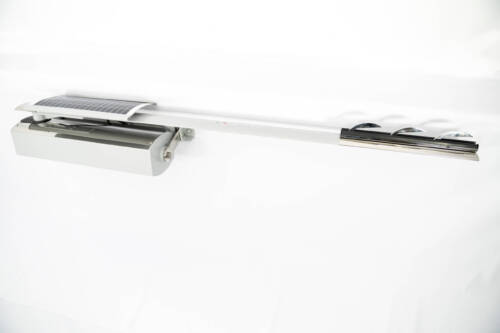
From today it is possible thanks to Moorsimply, the remote-controlled docking assistant that guarantees safety and autonomy during docking. This device is in fact a remote-controlled arm that offers you the lines during docking and places them back on the dock when the boat leaves the pier.
If you want to have more information and know all the advantages of Moorsimply, contattaci or follow our Channel Tiktok to discover our video tutorials.
Ti piacere vedere dal vivo come funziona Moorsimply e testare il suo funzionamento? Vieni a trovarci al Salone Nautico di Genova: ti aspettiamo dal 21 al 26 settembre.