Panoramica sulle varie tipologie di nodi: ecco come scegliere quale utilizzare
La conoscenza dei nodi marinari è tra le cose principali che dovrebbe perseguire un appassionato di navigazione. Sapere quale scegliere in determinate situazioni, mentre si è in barca, può fare veramente la differenza. Ciascun nodo, infatti, ha le sue caratteristiche, la sua complessità di esecuzione ed è utile ad una specifica funzione.
In questo articolo ti porteremo alla scoperta delle varie tipologie di nodi, illustrandoti le caratteristiche di ciascuno di essi e spiegando quando è opportuno utilizzarne uno piuttosto che un altro. Infine ci soffermeremo sui tipi di nodi marinari da usare quando si ormeggia e ti daremo alcuni suggerimenti utili per effettuare questa manovra in modo pratico e autonomo.
Perché è importante conoscere le varie tipologie di nodi?
Sapere quali sono le tipologie di nodi da poter usare quando si va in barca può aiutarti a eseguire alcune operazioni in modo più semplice e più efficace. Nello specifico, avere chiaro in mente le differenze tra i vari tipi di nodi marinare è utile per una serie di motivi, quali:
- Sicurezza: il nodo giusto consente di assicurare al meglio la tua barca, rendendo l’ormeggio più affidabile, in modo da prevenire eventuali danni alla barca e garantire più comfort all’equipaggio durante le soste.
- Praticità: avere le idee chiare su quali nodi eseguire in determinate circostanze, soprattutto in caso di emergenze o in condizioni meteorologiche avverse, può velocizzare le manovre e alcune operazioni.
- Prevenzione danni: nodi scorretti o mal eseguiti potrebbero cedere sotto la pressione o il peso di determinati oggetti, portando a situazioni pericolose che metterebbero a repentaglio la sicurezza delle persone o della barca stessa.
Al di là di questi aspetti pratici, la conoscenza dei nodi marinari rappresenta una nozione fondamentale per chiunque sia appassionato del mondo nautico.
Quali sono i principali nodi marinari?
Dopo aver sottolineato l’importanza di conoscere le tipologie di nodi, passiamo ora in rassegna i tipi principali, ovvero quelli più utilizzati, che sono:
- Nodo Savoia – è il più classico dei nodi di arresto, noto anche come Nodo di Giunzione di Savoia, adatto per unire due corde di dimensioni diverse, creando una connessione sicura e affidabile;
- Nodo Gassa d’Amante – si usa per formare un occhiello (gassa) all’estremità di una corda e consente di fissare la cima a un punto fisso o a un’altra corda;
- Nodo parlato (o barcaiolo) – è un nodo semplice ma efficace, che offre una buona tenuta e può essere rapidamente allentato quando necessario. Per questo è usato per fissare l’imbarcazione a un supporto fisso come come un palo o una bitta. è formato da due mezzi colli appaiati e incrociati
- Nodo di Bitta – si esegue per fissare una corda o una cima a una bitta su una barca
- Volta tonda e due mezzi colli – si esegue facendo un giro attorno alla bitta e poi due mezzi colli sulla parte della cima in tensione
Ciascuna operazione che viene eseguita in barca in cui viene utilizzata una corda o una cima, richiede l’esecuzione di determinati tipi di nodi marinari, funzionali con una specifica attività.
Quali tipologie di nodi si utilizzano per l’ormeggio?
L’ormeggio è una delle operazioni in cui eseguire un nodo perfettamente può fare la differenza. Conoscere la tipologia di nodi da utilizzare quando si fissa l’imbarcazione alla banchina ti consentirà di mettere in sicurezza la tua barca. Il consiglio è di non utilizzare nodi inventati o improvvisati, anche se sei un navigatore esperto, ma affidarti a quelli notoriamente più funzionali a questa manovra, ovvero: quello conosciuto come una volta e due mezzi colli, oppure il nodo parlato.
La conoscenza dei nodi marinari non è il solo fattore che può agevolare la tua operazione di ormeggio, ma per rendere questa manovra più semplice e sicura puoi dotarti di strumenti che ti coadiuvano quando ti appresti ad attraccare alla banchina,come Moorsimply.
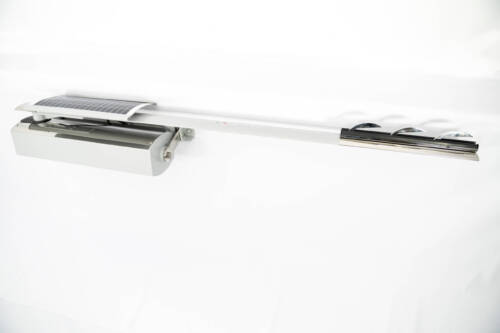
Grazie al suo braccio azionabile da remoto, Moorsimply ti porge le cime di ormeggio in modo automatico. In questo modo non avrai più bisogno di un assistente sulla banchina, ma potrai completare la manovra in totale autonomia e sicurezza, oltretutto con il minimo impatto ambientale, grazie alla versione Ecolution, prodotta con materiali riciclabili ed alimentato da pannelli fotovoltaici.
Contact us per richiedere ulteriori informazioni tecniche, saremo lieti di soddisfare le tue curiosità.